LATIN Seminars
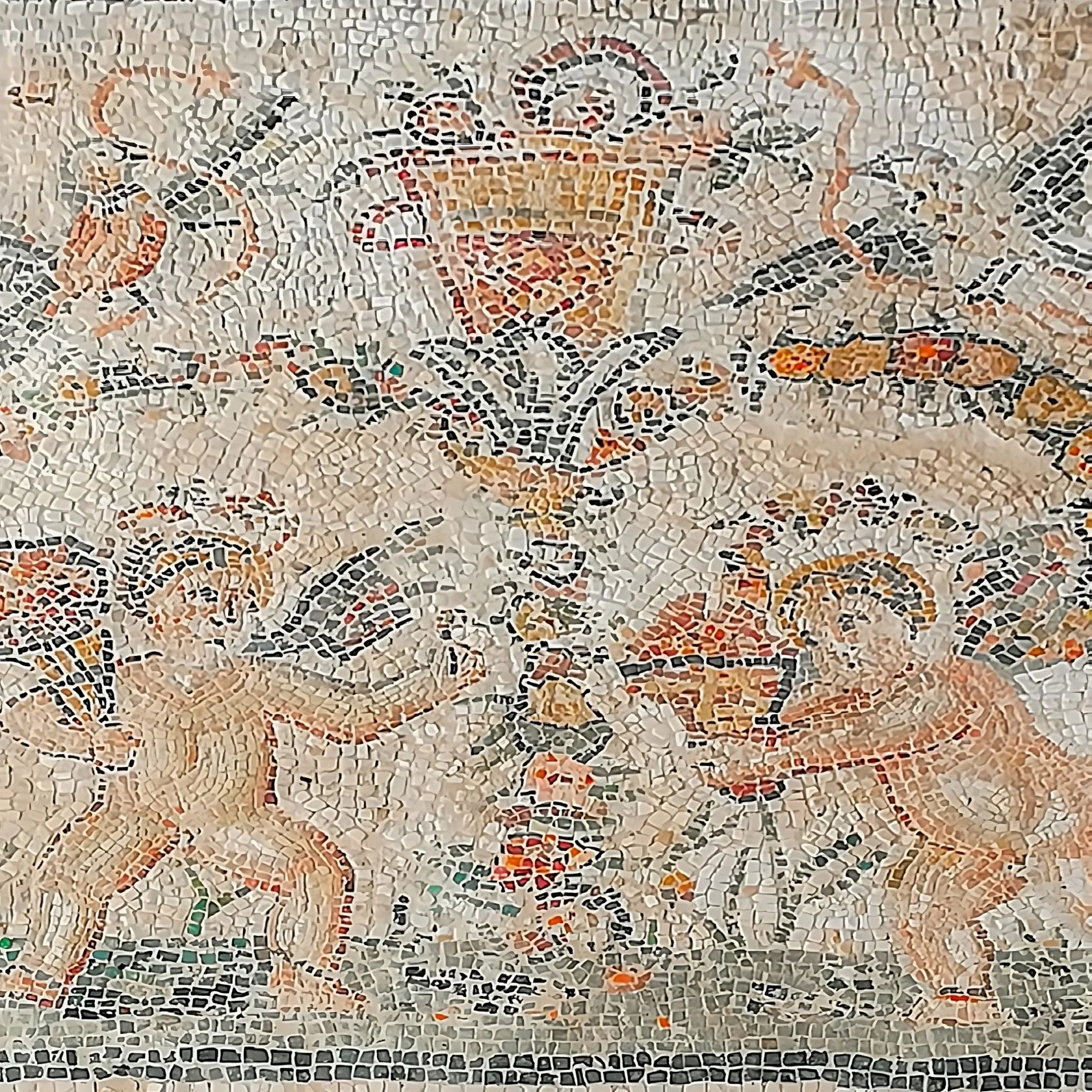
Led by Adriana Caballer Ricart
1. Logistics & Schedule
Instruction Language: Latin
Day & Time: Tuesdays & Thursdays, 05:00–07:00 EDT / 11:00–13:00 CET/CEST.
Course Duration: June 2-25, 2026
Duration: 120 minutes per session
Total Instructional Hours: 16 hours total (8 sessions)
2. Course Overview
Abstract: This seminar offers a rigorous philological and intertextual analysis of a selection from Ovid’s Heroides, specifically focusing on the epistles associated with the Trojan cycle.
Comprehensive Description: Students will engage in an in-depth reading of Ovid’s work, examining how the poet constructs his characters through constant dialogue with the broader epic and tragic traditions (including the Odyssey, the Aeneid, and Greek tragedy). By analyzing these texts through the lens of the female voice, the course explores the re-contextualization and rewriting of myth. Special attention will be paid to recurrent rhetorical devices—such as prospection, retrospection, and circumspection—and various persuasive strategies. The goal is to understand the organization of Ovidian discourse and its effects on the construction of tone and argumentative structure.
3. Proficiency & Requirements
Language Level:
Framework Reference: Designed for students who have completed Lingua Latina per se Illustrata: Familia Romana and Roma Aeterna up to at least Chapter XL.
General Description: Advanced students of Latin capable of engaging with original poetic texts. Vocabulary not covered in the prerequisite chapters will be introduced through immersion-based methodologies, including synonyms, visual aids, and philological exercises.
Methodology:
Each session (excluding the introductory and concluding meetings) follows a three-stage reading process:
Preparation: Analysis of the heroine's background and a reading of an adapted version of the text (featuring synonyms and visual support).
Syntactic Facilitation: Engagement with the original lexicon and grammar through a reorganized syntactic structure to clarify complex poetic word orders.
Original Text Reading: A final transition to the original Ovidian text.
Sessions conclude with rhetorical exercises such as paraphrasing, composing epistolary responses, or drafting content syntheses.
4. Materials & Bibliography
Required Textbooks:
Primary Text: Ovid, Heroidum Epistulae.
Digital Resources:
Lexical: Logeion, Lexica Linguax.
Rhetorical: Silva Rhetoricae (BYU).
Digital Corpora: Packard Humanities Institute (PHI).
Selected Further Reading:
Barchiesi, A. (2001), Future Reflexive: Two Modes of Allusion and Ovid’s Heroides.
Fulkerson, L. (2005), The Ovidian Heroine as Author: Reading, Writing and Community in the Heroides.
Verducci, F. (1985), Ovid’s Toyshop of the Heart.
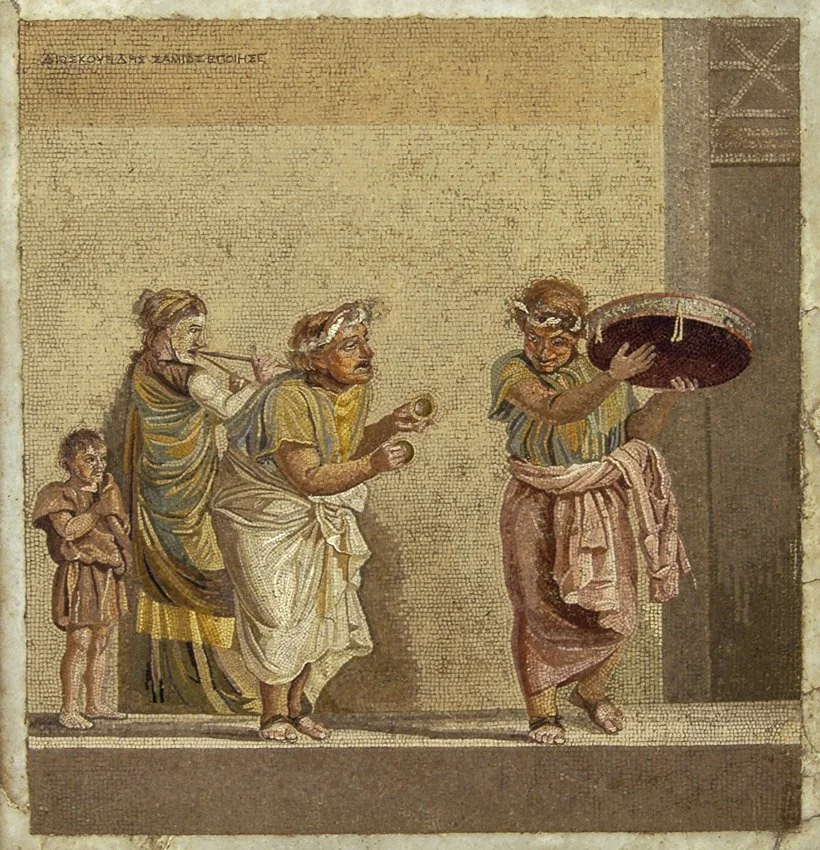
Led by Alexander Olave
1. Logistics & Schedule
Instruction Language: Latin
Day & Time: Thursdays, 10:30–12:00 EDT / 16:30–18:00 CET/CEST.
Course Duration: * Start Date: June 4, 2026
End Date: August 20, 2026
Lesson Structure:
Duration: 90 minutes per session
Total Instructional Hours: 18 hours total
2. Course Overview
Abstract: This course offers a comprehensive survey of Roman satire, the only literary genre the Romans claimed as entirely indigenous. Quintilian's famous declaration—satura tota nostra est—serves as the point of departure for a sustained exploration of how satire became one of Rome's most distinctive and enduring literary legacies.
Comprehensive Description: Students will analyze selections from the genre's most influential voices in chronological order, tracing the evolution of Roman satire from its origins to its most sophisticated expressions. We begin with Lucilius, the genre's progenitor, who established the uncompromising libertas (freedom of speech) that defines the tradition. We then examine how Horace refined and domesticated the form, transforming it into a subtle instrument of ethical observation; how Persius infused it with dense Stoic intensity; and finally, how Juvenal transformed it into a vehicle for magnificent indignatio.
Thematic Focus: Participants will develop a technical vocabulary for discussing Roman society and the motifs central to the satirical tradition—urban life, feasting, political power, censorship, and the frustrations of the quotidiana. Close attention will be paid to philological dimensions, specifically the dactylic hexameter and the rhetorical strategies employed to achieve satirical effect. While focused on antiquity, the seminar will briefly address the genre’s reception history to illuminate the lasting cultural resonance of these ancient texts.
3. Proficiency & Requirements
Language Level:
Framework Reference: Intended for students with an intermediate command of Latin. Completion of Chapter 41 of Roma Aeterna is highly recommended.
General Description: Intermediate. Designed for students who can read simple prose with ease and engage in active dialogue in the target language.
Estimated Self-Study Time:
Time Commitment: 3–4 hours per week.
Preparation Type: Students are expected to complete a preliminary reading of the primary text or assigned secondary scholarship prior to each session.
4. Materials & Bibliography
Required Textbooks:
Primary Text: Catherine Keane, A Roman Verse Satire Reader: Selections from Lucilius, Horace, Persius, and Juvenal (Bolchazy-Carducci).
Disclaimer: The acquisition of the physical or digital editions of the required textbooks is mandatory for course participation. Please ensure materials are secured prior to the first session.
Further Reading:
Kirk Freudenburg, ed., The Cambridge Companion to Roman Satire (Cambridge, 2005).
Susanna Morton Braund, Beyond Anger: A Study of Juvenal's Third Book of Satires (Cambridge, 1988).
Emily Gowers, ed., Horace: Satires Book I (Cambridge, 2012).
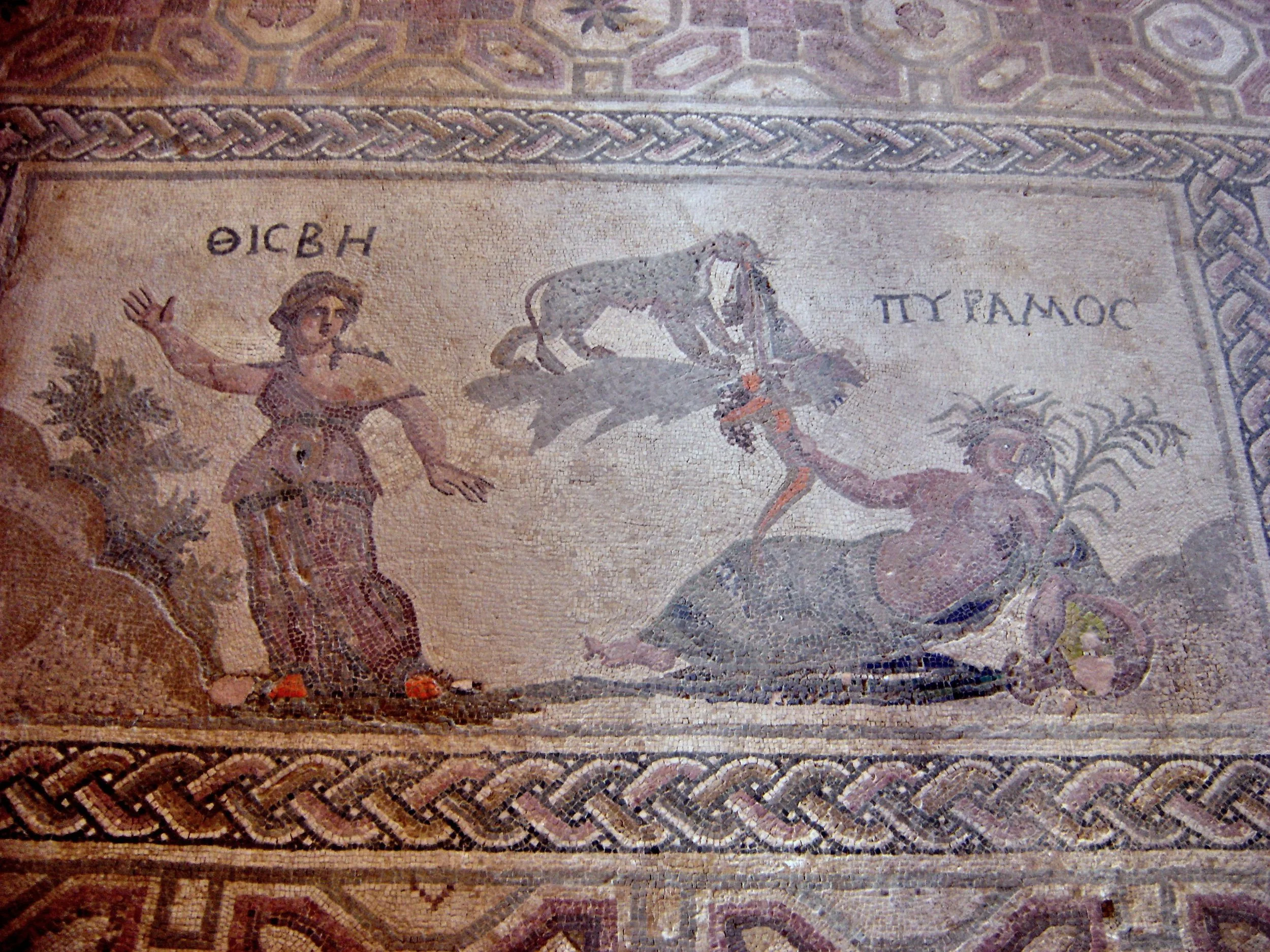
Led by Alexander Olave
1. Logistics & Schedule
Instruction Language: Latin
Day & Time: Saturdays, 10:30–12:00 EDT / 16:30–18:00 CET/CEST.
Course Duration:
Start Date: June 6, 2026
End Date: August 22, 2026
Lesson Structure:
Duration: 90 minutes per session
Total Instructional Hours: 18 hours total
2. Course Overview
Abstract: This twelve-week seminar explores a curated selection of narratives from Ovid’s Metamorphoses, contextualizing them within the Roman literary landscape and tracing their enduring influence on Medieval and Early Modern art, music, and literature.
Comprehensive Description: This course offers a comprehensive introduction to one of the most celebrated works of Latin literature: Ovid's Metamorphoses. An epic poem of fifteen books composed in dactylic hexameter, it weaves together over two hundred myths of transformation drawn from the Greek and Roman traditions. Students will engage with selected stories directly in the original Latin, developing reading fluency while analyzing Ovid's characteristically witty, inventive, and psychologically acute style. The course situates each narrative within the Augustan world, examining Ovid’s relationship to predecessors such as Virgil and Lucretius. A distinctive feature of this seminar is its focus on the "afterlife" of Ovidian mythology; participants will trace how these narratives reverberated across later cultural productions, from Renaissance painting and opera to Medieval theater.
3. Proficiency & Requirements
Language Level:
Framework Reference: Designed for students who have completed Roma Aeterna up to Chapter 41 or possess an equivalent intermediate proficiency.
General Description: Intermediate. Intended for students who can read simple Latin prose with comfort and are prepared to engage in active dialogue.
Estimated Self-Study Time:
Time Commitment: 3–4 hours per week.
Preparation Type: Participants are expected to complete a preliminary reading of the primary Latin text and assigned secondary scholarship prior to each session.
4. Materials & Bibliography
Required Textbooks:
Primary Text: Peter Jones, Reading Ovid: Stories from the Metamorphoses (Cambridge University Press, 2007).
Disclaimer: The acquisition of the physical or digital textbook is mandatory for course attendance. Please ensure you have your copy before the first session.
Further Reading:
Philip Hardie, Ovid and the Metamorphoses (Cambridge, 2002).
Stephen Hinds, Allusion and Intertext: Dynamics of Appropriation in Roman Poetry (Cambridge, 1998).
Alison Keith, Engendering Rome: Women in Latin Epic (Cambridge, 2000).
Gianpiero Rosati, Ovid (Oxford, 2016).