Our Story
Institutum Antiquitatis was born out of a group of scholars, teachers, and students with an insatiable passion for the ancient languages and the desire to elevate the immersion method to academic standards.
We aim to support students and teachers, enthusiasts and professionals, novices and experts in the lifelong journey that the study of Latin and Ancient Greek and their millennial literary tradition entails.
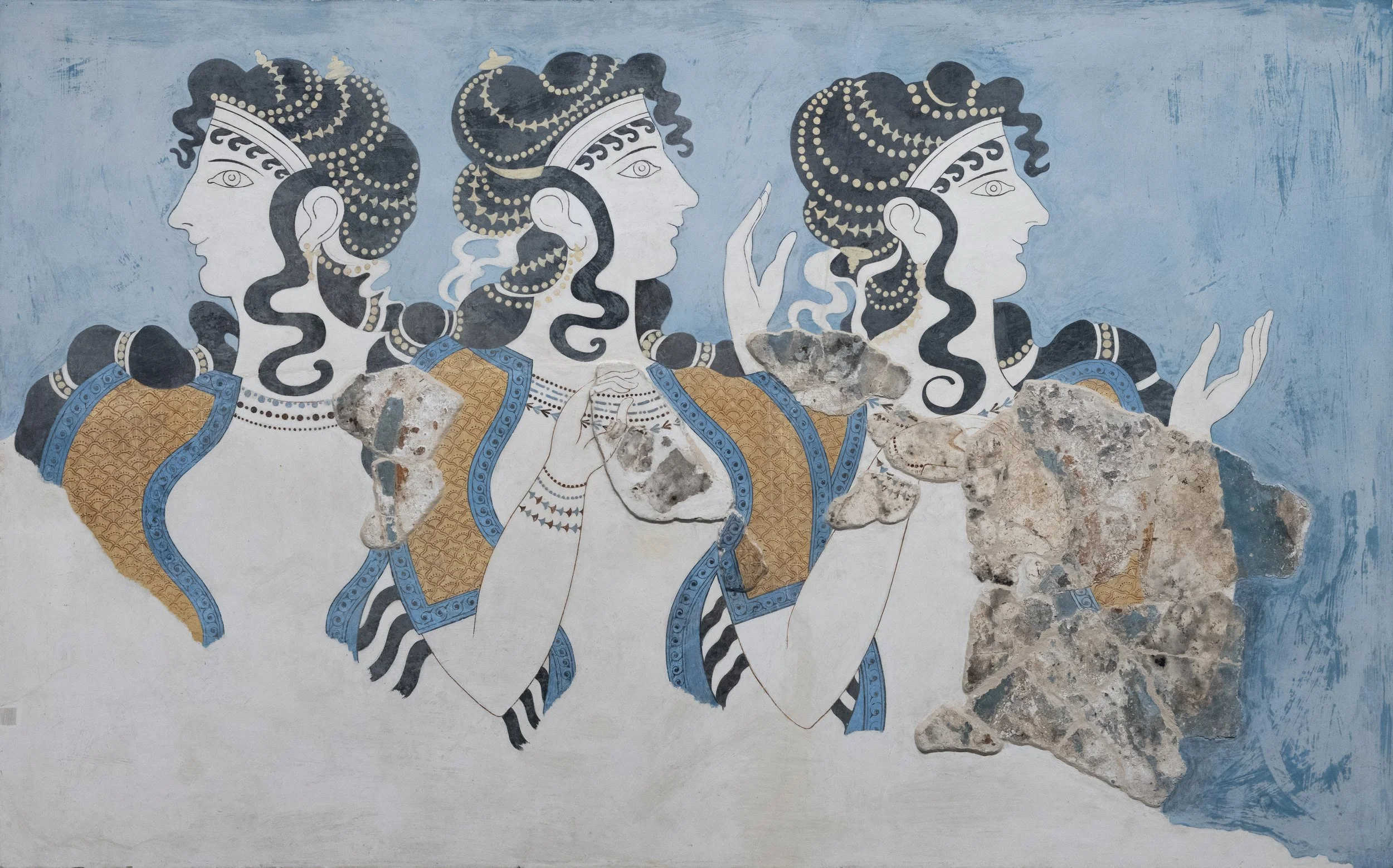
The institutum
As a nonprofit organization, the Institutum is dedicated to making the study of Latin, Greek, and other ancient languages accessible and affordable for all.
Our methodology meets you at your current level, whether or not you have a foundational background in the humanities.
Our scholarship programs support your academic journey regardless of your personal circumstances. As an online institution, our school transcends geographical borders.
The founders
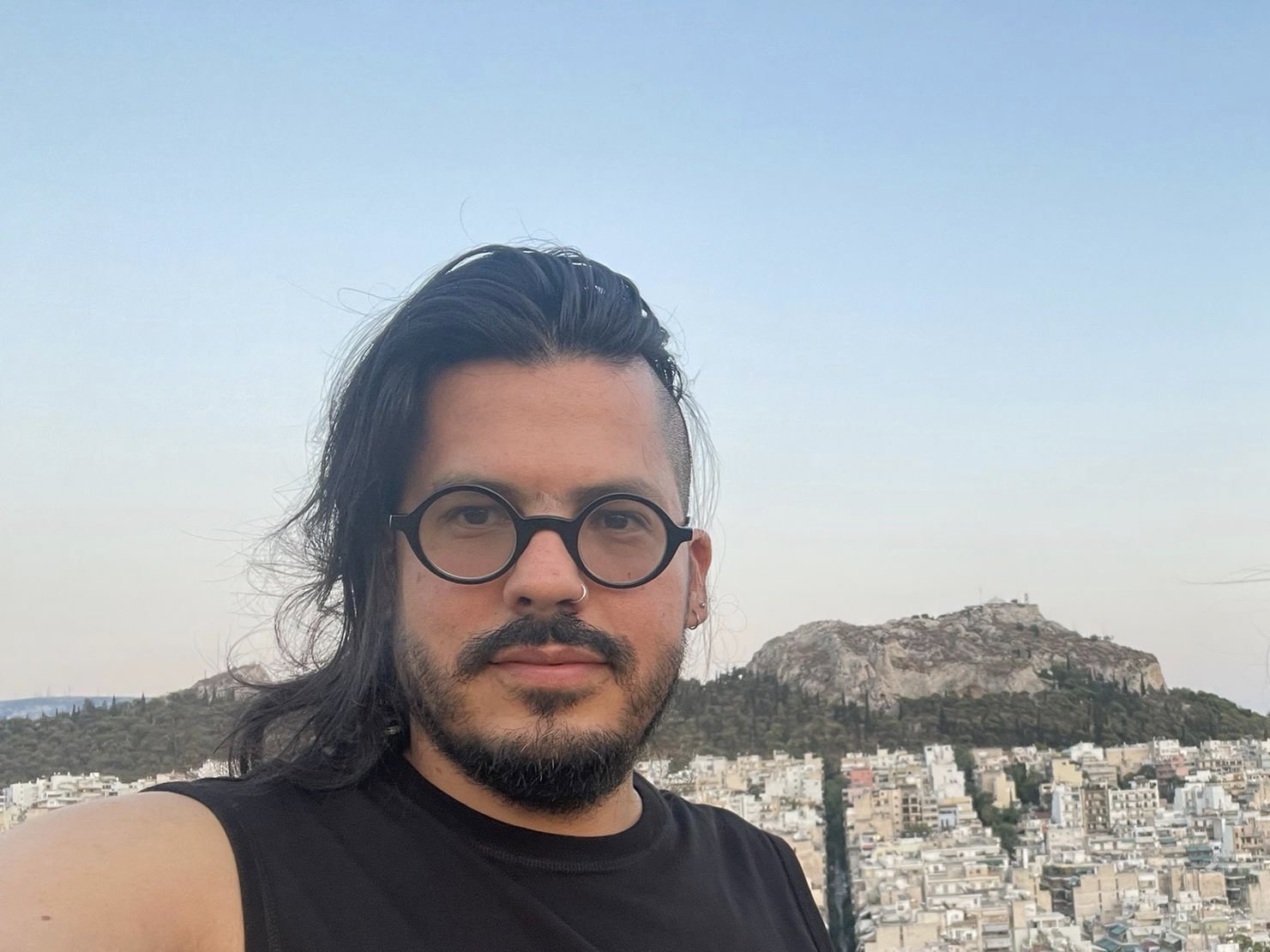
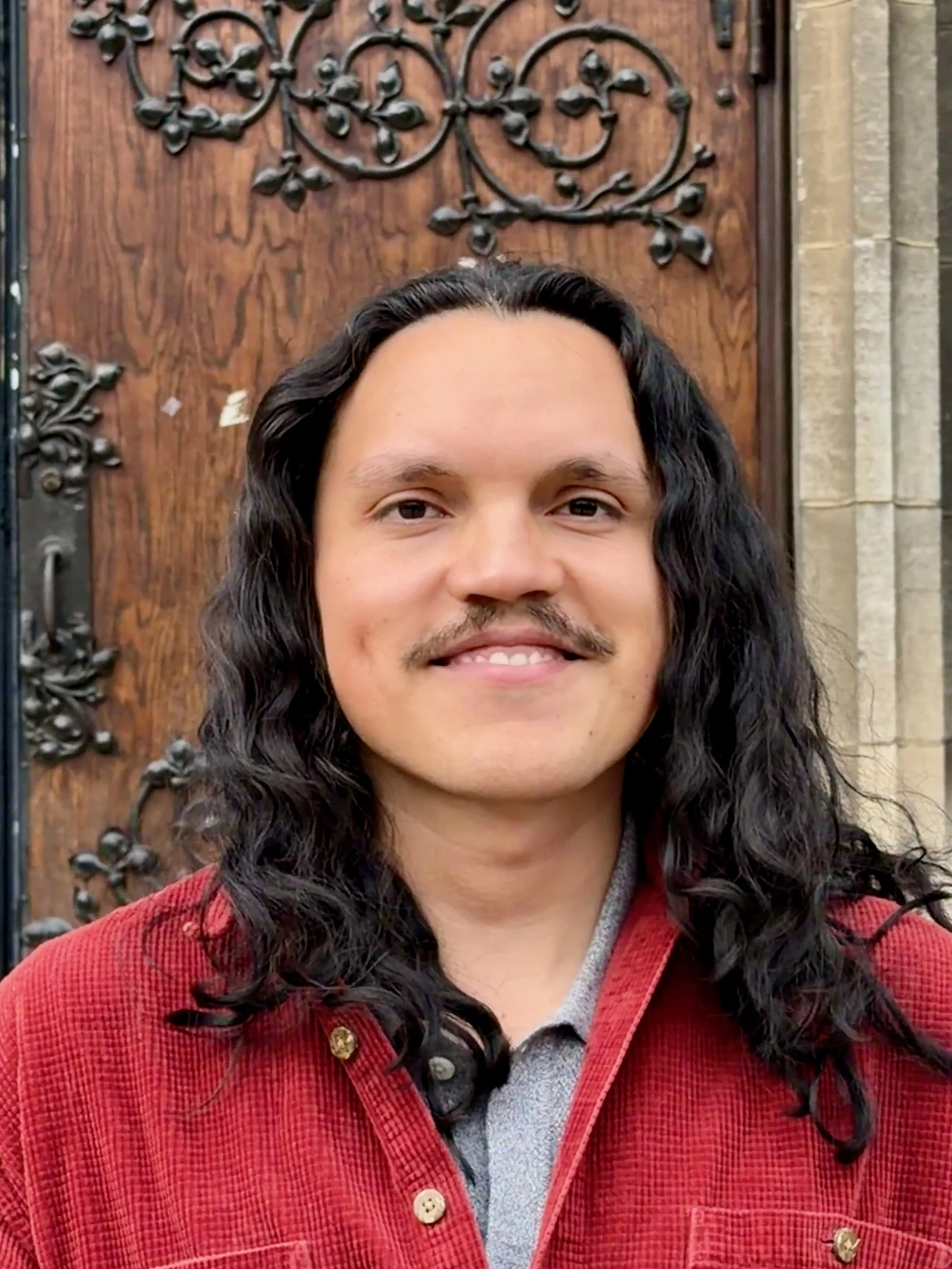
rogelio toledo
President - Head of Greek Department
Rogelio started his studies in Mexico City at UNAM, and later went on to acquire an MA in Altphilologie at the Freie Universität Berlin. He spent a year at the Polis Institute in Jerusalem where he attended the One Year Program in Ancient Philology and where he learned to speak Ancient Greek and Hebrew. For Polis he later coordinated the Departments of Greek and Latin for two years. Currently, he holds a PhD candidature at the Universidad de Granada where he is researching a 1700-verse didactic poem on Porphyry's Isagoge to Aristotle's Categories written by Johannes Tzetzes, and never edited before.
His main research interests are: Byzantine philosophy (reception of logic and dialectic), education in Byzantium, the social and cultural function of poetry in Byzantium, and linguistics.
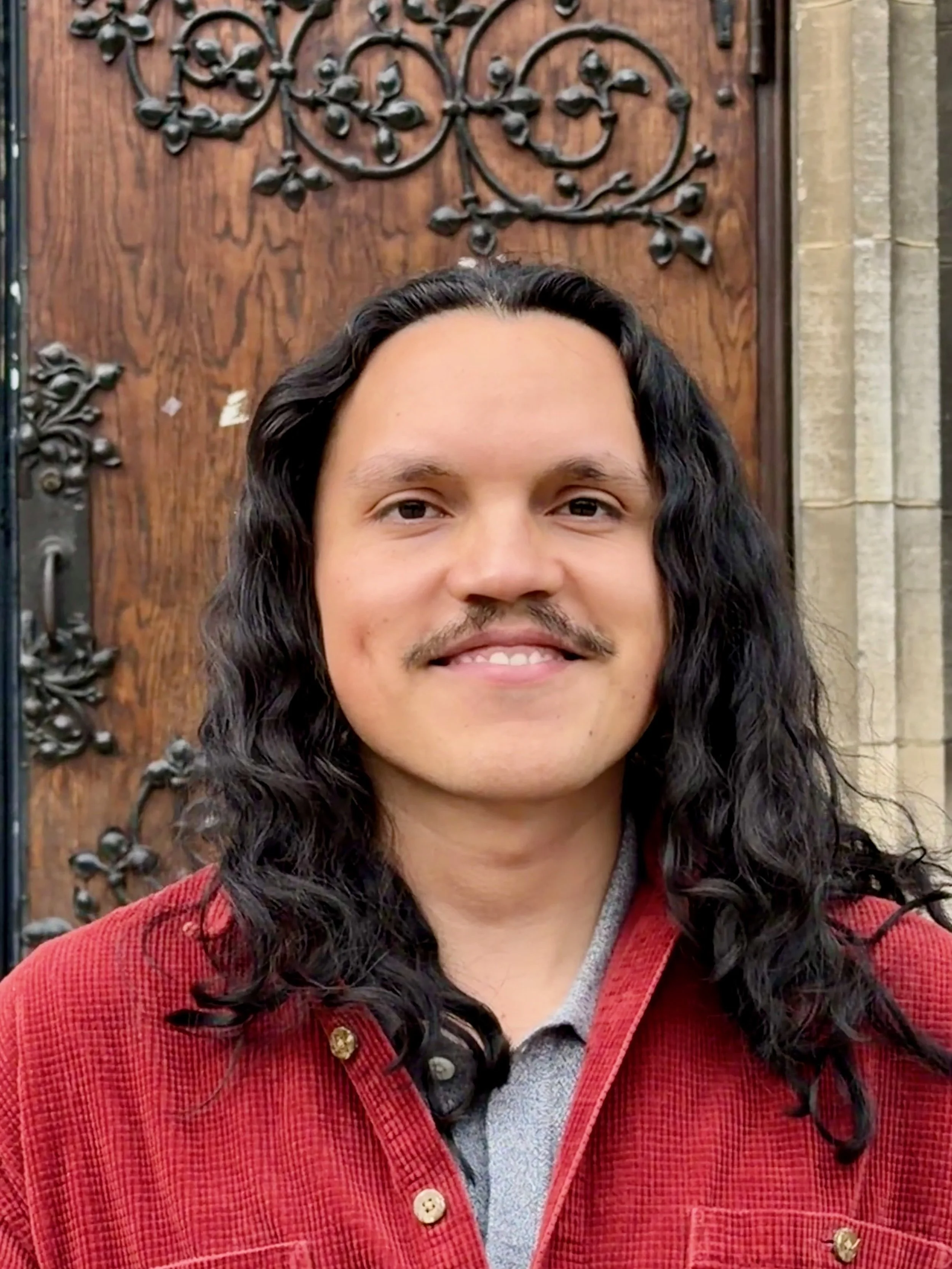
Alexander Olave
Head of Latin Department - Latin Teacher
Alexander began his studies with a BA in Spanish and Classical Philology from the Universidad Nacional de Colombia. He then attended the Latin & Greek Immersion Program at the Accademia Vivarium Novum, where he studied for one year. In 2022, he completed an MPhil in Classics at Wolfson College, University of Cambridge, and has since taught at various institutions, including the Universidad Nacional de Colombia, Universidad de la Sabana, Fundación Universitaria Unicervantes (Bogotá, Colombia), and Oxford Latinitas.
His research interests include Imperial Greek literature, classical reception in Ibero-American literature, epistolography, and the didactics of ancient languages.
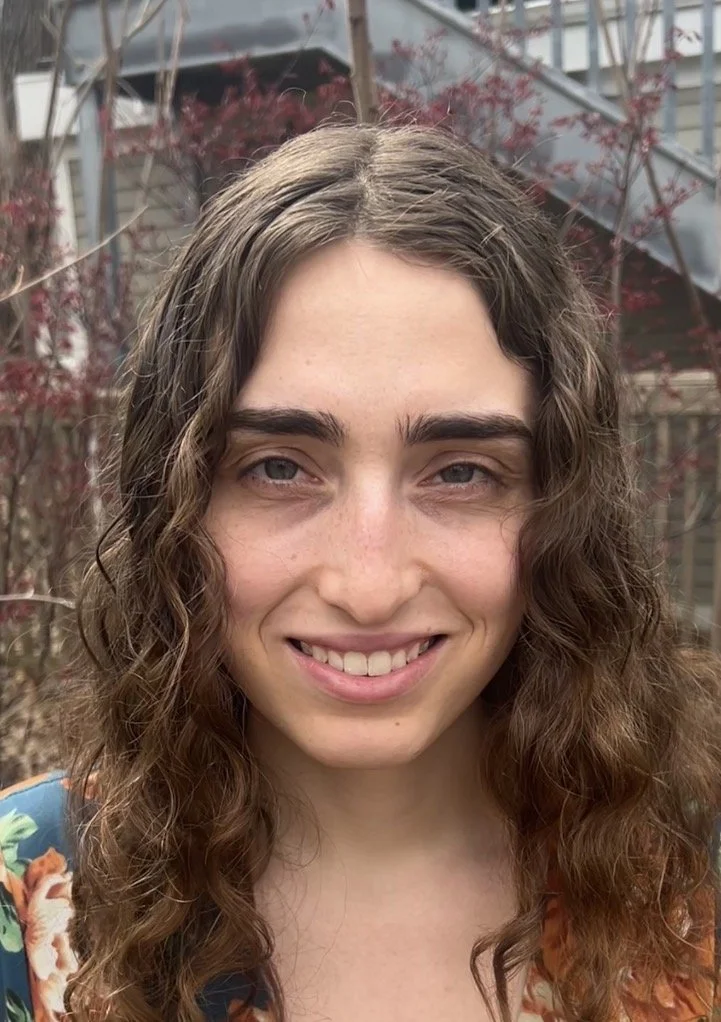
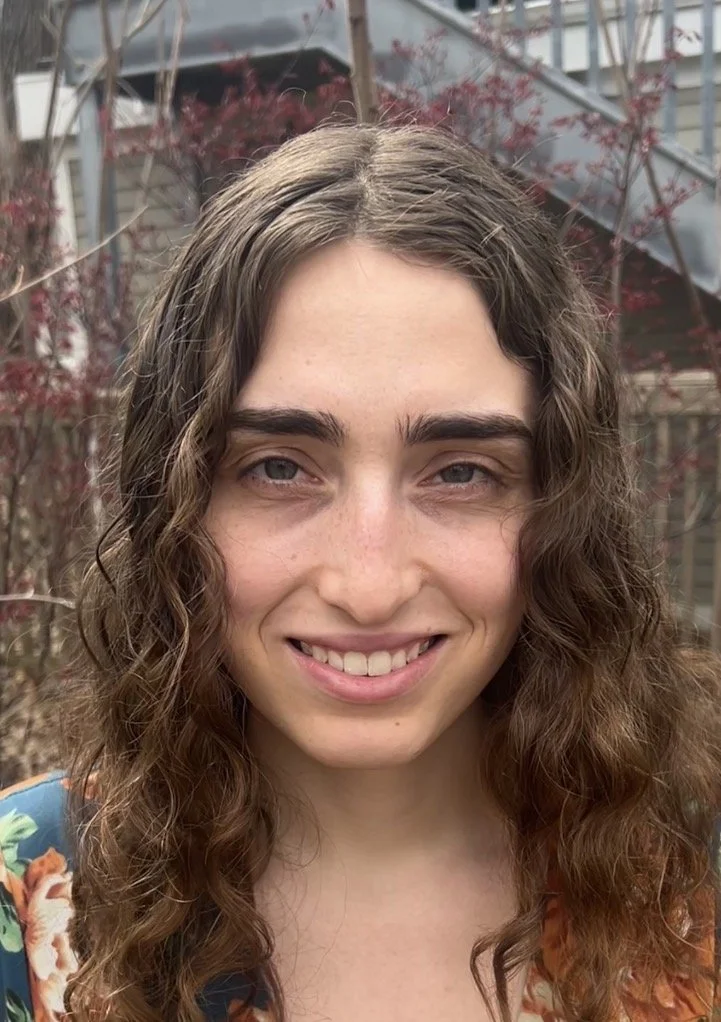
joanna thornhill
Secretary - Editor - Latin and Greek Teacher
Joanna Thornhill was born and raised in sunny Los Angeles, California. She studied Liberal Arts at St. John’s College in Santa Fe, New Mexico. She has a great passion for ancient languages and is particularly interested in how to actively use and teach them in a way that is both comprehensible to students and faithful to the idiom and usage of the ancient writers. She has taught a variety of students Greek and Latin both in individual and group settings. She currently teaches also for the Ancient Language Institute and Argos Didaskei. She speaks fluently Latin and Ancient Greek and keeps the Institutum Antiquitatis organised, in addition to teaching language classes and seminars. Outside of her studies, she enjoys hiking and baking.
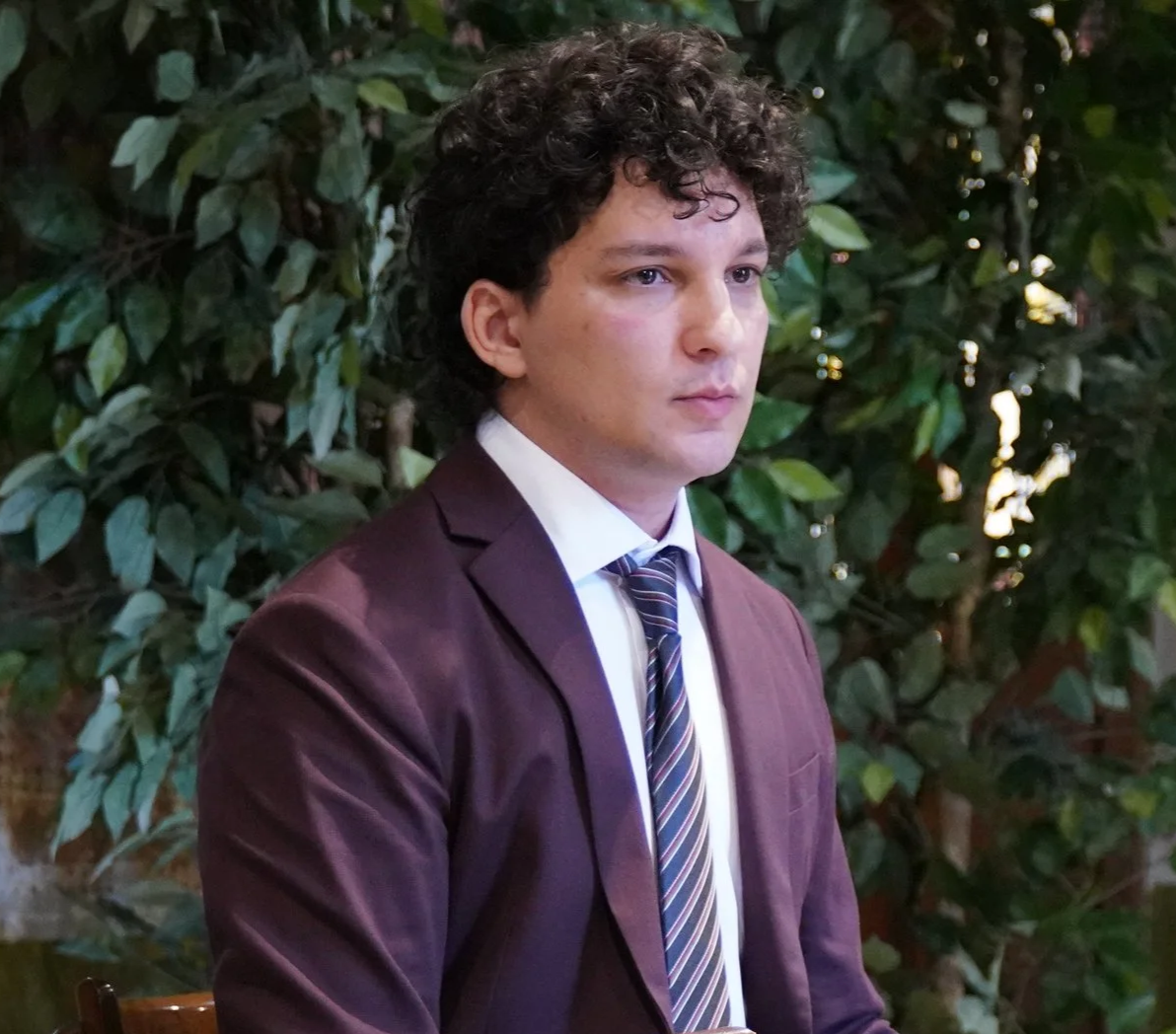
Francisco Anania
Francisco Ananía began his academic journey in biomedical engineering in Buenos Aires before switching to Philosophy, where he discovered his passion for Greek and Latin. He trained for three years in a full immersion context at AVN, where he began his teaching practice using the active method, before voluntarily breaking off contacts. He holds a BA in Classics with a thesis written entirely in Latin on the oracular function of enigmas in Heraclitus. He also has an MA in Ancient Philosophy, focusing on Vegetarianism in antiquity, from Université Paris 1 Panthéon-Sorbonne and Sapienza Università di Roma. During these years, he has also taught and worked with universities in Argentina and served as a teacher of Latin and Greek and Marketing Director of Oxford Latinitas. He continues to teach Latin and Greek, languages he speaks fluently, as well as studying and researching independently.
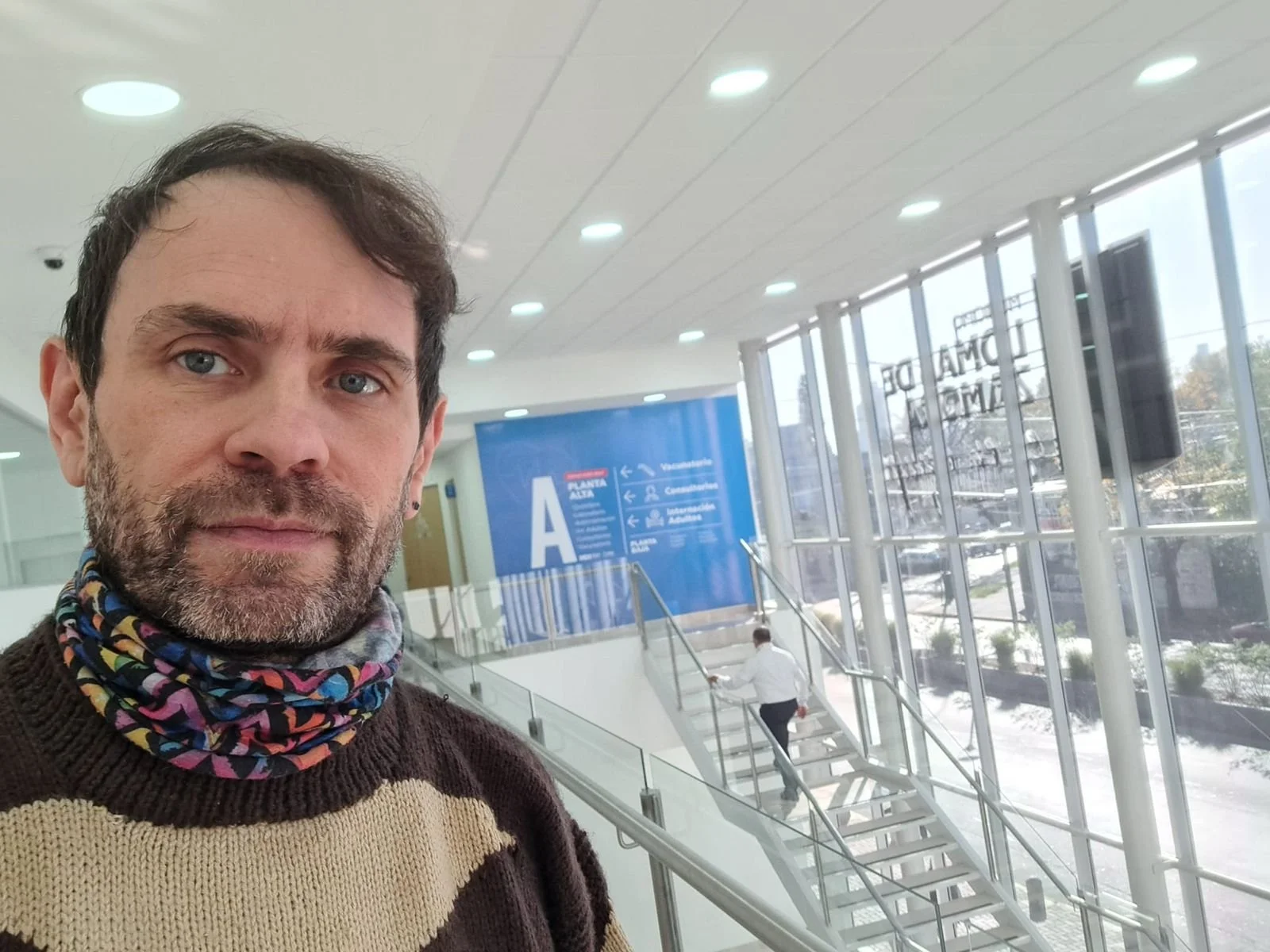
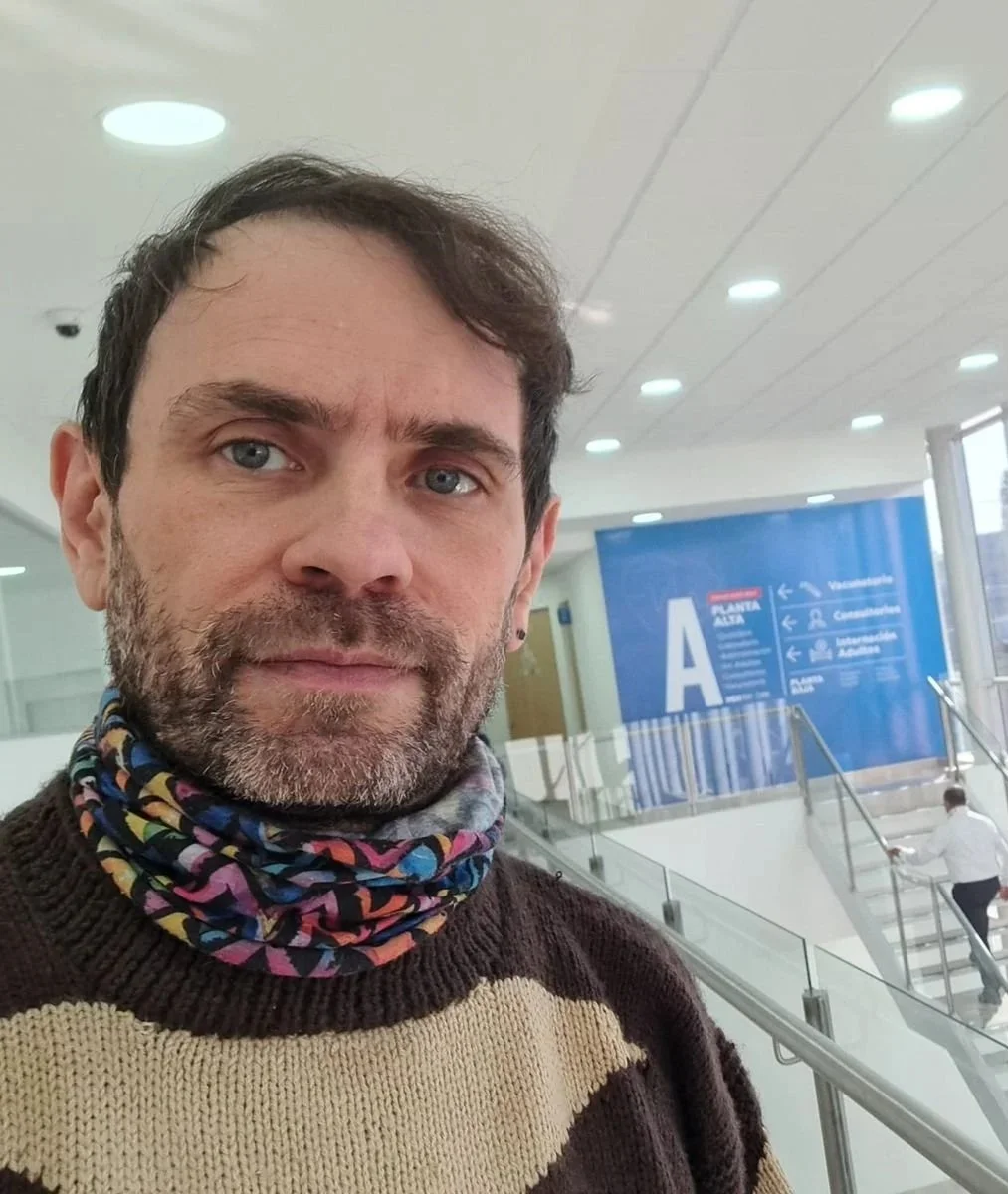
Sergio antonini
Head of Ancient Music Department
Sergio is a Classics scholar and musician specialized in the philology, theory, and performance of Ancient Greek and Roman music. He is also an expert in the reconstruction of fragmentary musical corpora and the teaching of classical languages through immersive and rhythmic-musical methods. He is the Director of the Musurgia ensemble and researcher at the Institute of Classical Philology (UBA).
Sergio has taught Latin at the University of Buenos Aires (UBA), Elements of Musical Composition at the National University of Tucumán and he was a piano accompanist and vocal coach at the Tucumán Provincial Conservatory. He holds a B.A. in Classics (Licenciatura) from the University of Buenos Aires (UBA) and a certification of Professor of Higher Education in Classics also from the University of Buenos Aires (UBA).
Latin and Greek Teacher
Our instructors
-
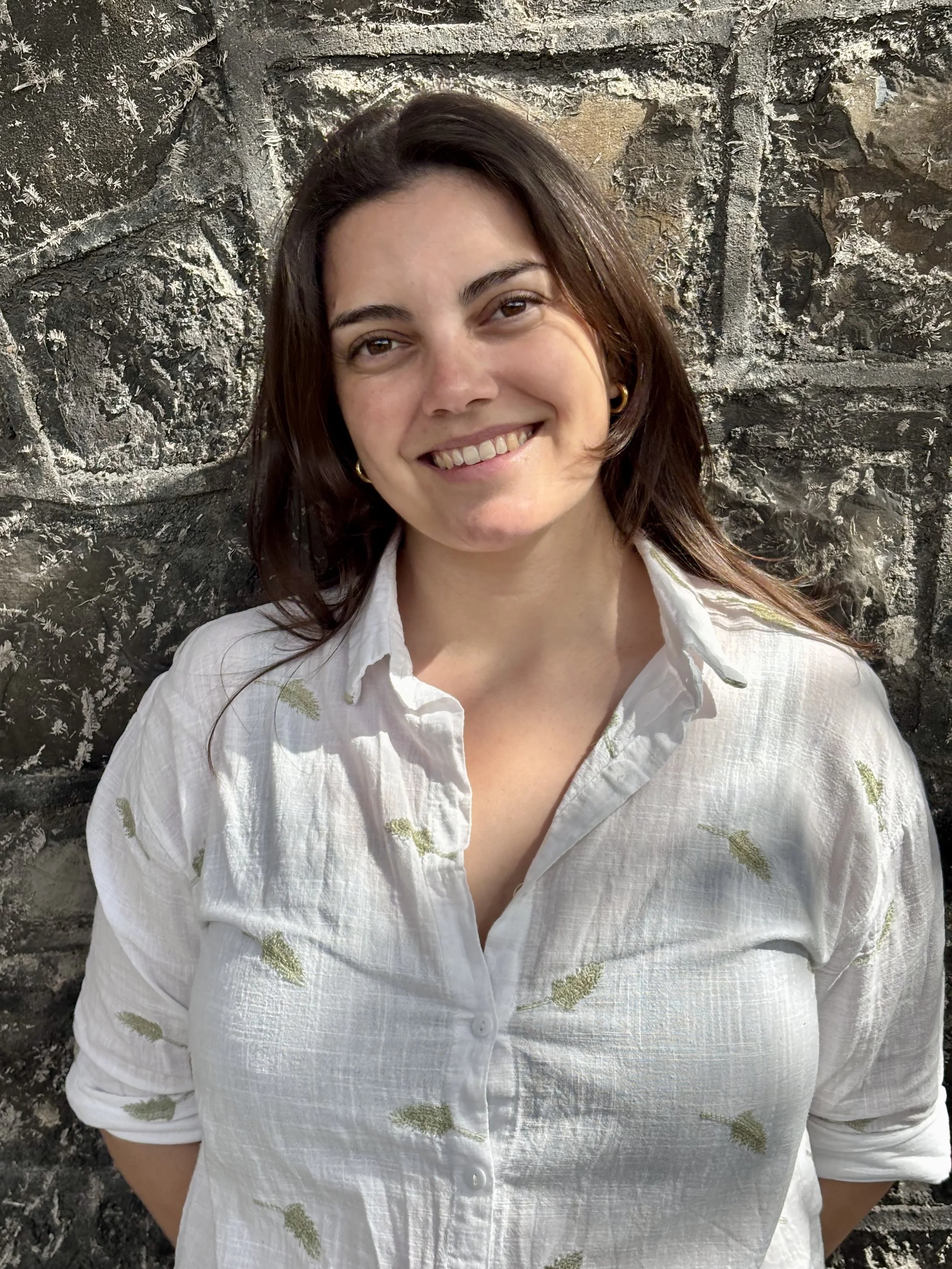
![A woman with brown hair and gold hoop earrings smiling, standing in front of a stone wall.]()
Adriana Caballer Ricart
LATIN TEACHER
-
![]()
Alexander Olave
LATIN AND ANCIENT GREEK TEACHER
-
![]()
Joanna Thornhill
LATIN AND ANCIENT GREEK TEACHER
-
![A man with brown hair, blue eyes, and a beard taking a selfie at an airport. He is wearing a patterned neck gaiter and a brown and cream sweater. Behind him, there is a large blue sign with information about entrances and services, and airport staff are visible.]()
Sergio Antonini
LATIN AND ANCIENT GREEK TEACHER
-
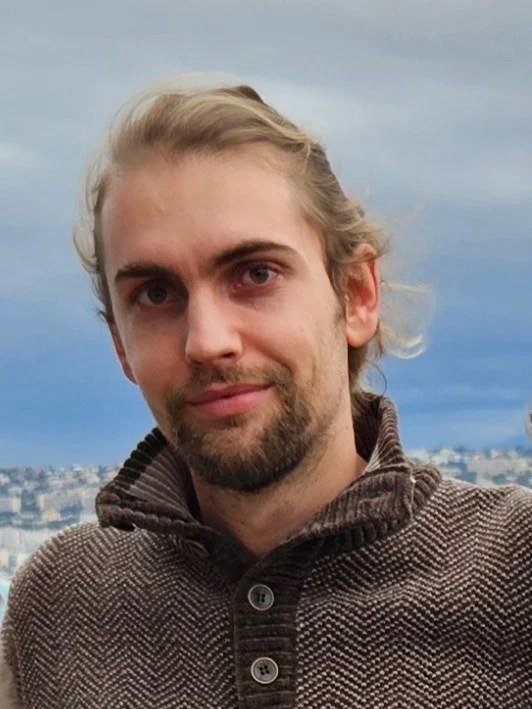
![Young man with blond hair and a beard, wearing a brown sweater, standing outdoors with cityscape and cloudy sky in the background.]()
Camille Demouchy
ANCIENT GREEK TEACHER
-
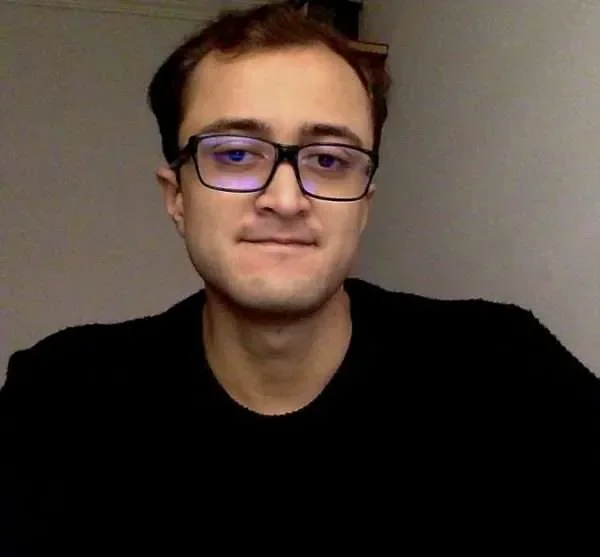
![A young man with light skin, short brown hair, wearing glasses with a dark frame, and a black shirt. He is indoors in front of a plain, grayish wall.]()
Miguel Ángel Acosta Albarracín
ANCIENT GREEK TEACHER
-
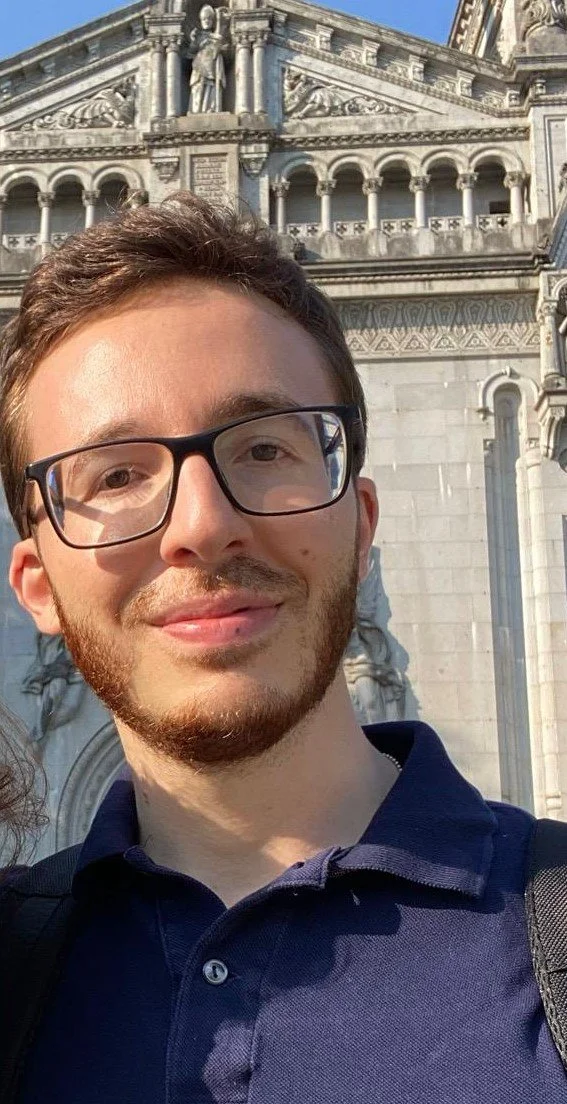
![A young man with glasses and a beard taking a selfie outdoors in front of a historic building with ornate stone carvings and statues.]()
Lelio Paolo Panzone
ANCIENT GREEK TEACHER
-
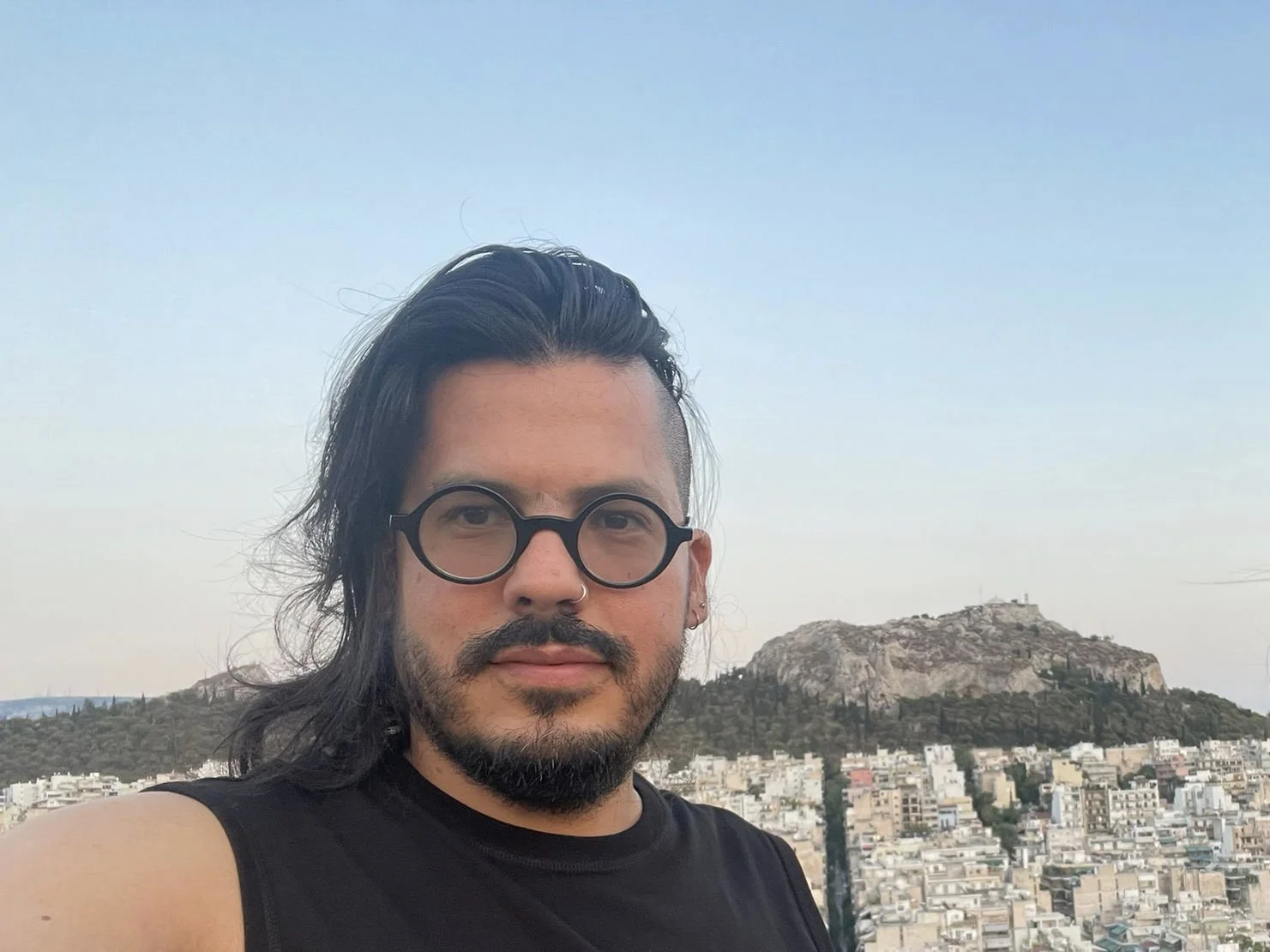
![A man with black, shoulder-length hair, glasses, and a beard taking a selfie with a cityscape and a rocky hill in the background during daytime.]()
Rogelio Toledo Martin
ANCIENT GREEK TEACHER
-
![A young man with curly dark hair wearing a formal suit and striped tie, sitting outdoors with lush green foliage in the background.]()
Francisco Anania
LATIN AND GREEK TEACHER
Academic Advisory Council
Our scientific committee is a pool of scholars whose published work demonstrates their understanding of various aspects of antiquity and their commitment to the highest standards in its investigation and to the transmission of knowledge about the ancient world to future generations of scholars.
Although not normally involved in the day-to-day operation of Institutum antiquitatis, they help its leaders ensure high quality by making themselves available for consultation as needed.